
Quick Answer:
To keep your Arrowhead plant (Syngonium podophyllum) lush and bushy rather than leggy, prune it during the spring or summer using sterilized micro-tip shears. Cut just above a node (the bump where a leaf meets the stem) to encourage new growth. For a climbing look, leave the “runners” alone; for a compact desk plant, snip them back whenever they exceed your desired shape.
My Journey with the “Wild” Syngonium
I remember the first Arrowhead plant I ever bought. It was a tiny, variegated Syngonium podophyllum sitting in a 4-inch pot. For six months, it was the picture of symmetry. Then, almost overnight, it decided it wanted to be an Olympic sprinter. It sent out long, leafless “runners” that reached across my bookshelf, looking more like a tangled mess of green wire than a houseplant.
I was terrified to cut it. I thought, “If I snip this, will the whole plant go into shock?” I waited too long, and eventually, the bottom of the plant went bald because all the energy was going to those long, reaching vines. That was my first big lesson in arrowhead vine pruning: if you don’t control the plant, the plant will control your living room.
Since then, I’ve pruned hundreds of Syngoniums. I’ve learned that these plants are incredibly resilient—almost eager to be trimmed. In this guide, I’m sharing the exact arrowhead plant pruning tips I use to keep my collection looking like a magazine spread rather than a jungle floor.
Understanding the “Why” and “When”
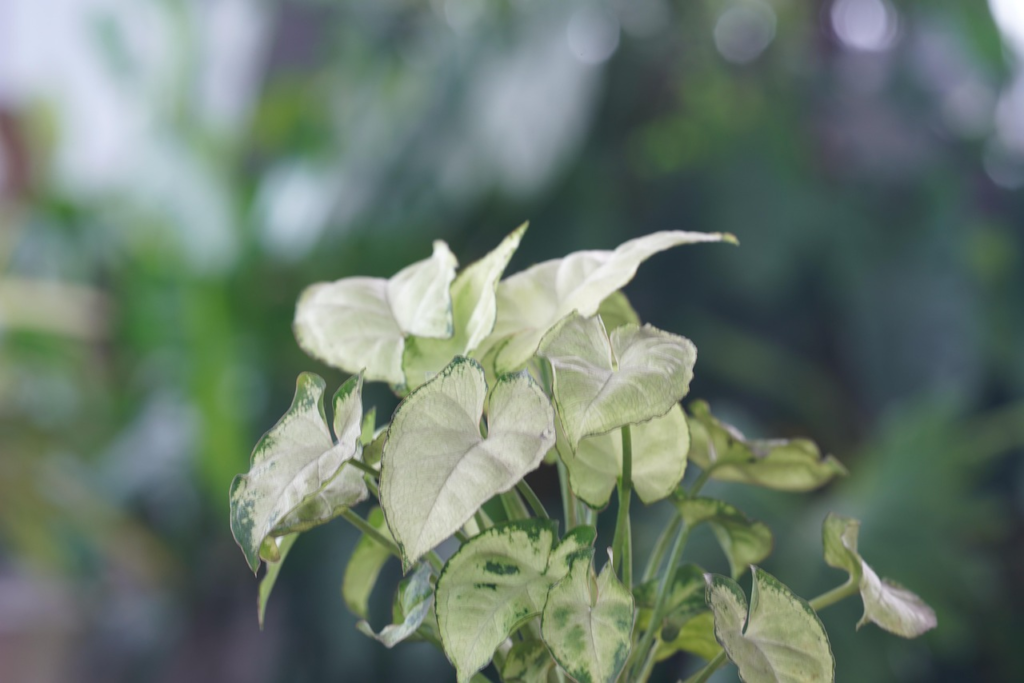
Before you grab your scissors, you need to understand the growth habit of this species. In the wild, Arrowhead plants are “hemiepiphytes.” They start on the ground and then climb up trees. This is why your plant eventually grows long stems.
The Best Time of Year to Prune Arrowhead Plant
In my experience, timing is everything for recovery speed. While you can prune a houseplant anytime, the best time of year to prune arrowhead plant is late spring or early summer. This is when the plant is in its peak “growth hormone” phase. When I prune in June, I usually see new “eyes” (growth points) popping out within ten days. If I prune in the dead of winter, the plant might sit there pouting for two months before showing new life.
Creating a Routine: The Best Arrowhead Plant Pruning Schedule
You don’t need a calendar, but you do need an eye for detail. I follow a best arrowhead plant pruning schedule that is based on the plant’s size.
- Juvenile Plants: Prune every 4–6 months to encourage a bushy base.
- Mature Climbers: Prune every 2 months if you want to keep them on a moss pole without them overgrowing their space.
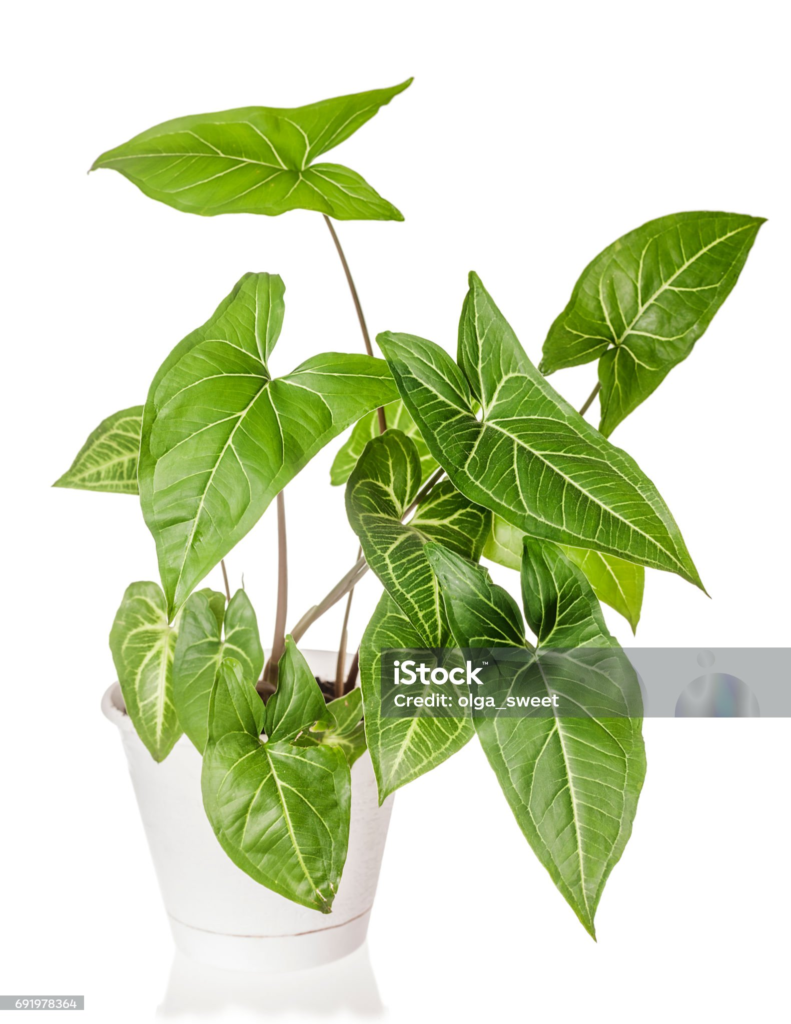
Essential Gear: Your Pruning Toolkit
I’ve made the mistake of using dull kitchen scissors. The result? Crushed stems that turned black and rotted. If you want clean healing, you need the best tools for arrowhead plant pruning.
The Best Pruning Shears for Arrowhead Plant
I highly recommend micro-tip floral snips. Because Arrowhead stems can be crowded, bulky bypass loppers are too clumsy. You need something needle-sharp that can get into tight crevices between leaves.
My Toolkit List:
- Micro-tip snips: For precision arrowhead plant stem pruning.
- 70% Isopropyl Alcohol: To wipe your blades between plants (prevents the spread of bacteria).
- Gardening Gloves: Syngoniums have a milky sap that can irritate sensitive skin. I learned this the hard way after a pruning session left my hands itching for an hour!
The Best Way to Prune Arrowhead Plant: Step-by-Step
Let’s get into the best pruning technique for arrowhead plant. There are two ways to approach this: pruning for “Bushiness” or pruning for “Maintenance.”
1. Trimming for a Bushy Look
If your plant is “leggy” (lots of stem, few leaves), you need to be brave. Look for the nodes. A node is that little knuckle or bump on the stem where a leaf or aerial root grows.
The best way to prune arrowhead plant for fullness is to cut about 1/4 inch above a node. By removing the “apical bud” (the tip of the vine), you force the plant to redirect its energy to the dormant buds lower down the stem. This results in arrowhead plant shaping that looks full and lush.
2. General Arrowhead Plant Trimming
Sometimes you just need a cleanup. This involves arrowhead plant leaf removal. If you see yellowing leaves at the base, don’t just pull them. Use your snips to cut them off as close to the main stem as possible. This prevents the “snag” from rotting.
3. Cutting Back the Runners
When the plant starts “creeping,” it produces stems with very small, spaced-out leaves. This is the plant searching for something to climb. For best arrowhead plant pruning tips for beginners, I always say: don’t be afraid to cut these back to the main cluster. It won’t hurt the plant; it actually saves it energy.

Troubleshooting: What I’ve Learned from Failure
Not every prune goes perfectly. Early on, I once pruned a “Pink Allusion” Syngonium too aggressively in the winter. I took off 60% of the foliage. Because the light levels were low, the plant couldn’t photosynthesize enough to heal, and I lost the whole thing to root rot.
Pro Tip: Never remove more than 25% of the plant’s total foliage at one time. If it’s severely overgrown, do it in stages—prune half now, wait a month, then prune the rest.
Post-Pruning Care: The Secret Sauce
What you do after the cut is just as important as the cut itself. Your plant just went through “surgery,” and it needs a recovery plan.
The Best Fertilizer After Pruning Arrowhead Plant
Once you see the first sign of new growth (usually a tiny green nub at a node), it’s time to feed. The best fertilizer after pruning arrowhead plant is a balanced, liquid indoor plant food diluted to half-strength. I prefer a 10-10-10 or 20-20-20 NPK ratio. The nitrogen helps the plant “push” those new leaves out quickly.
Light and Water
- Light: Move your pruned plant to a spot with bright, indirect light. Avoid direct sun, which can stress the fresh cuts.
- Watering: Be careful! A pruned plant has fewer leaves, which means it “breathes” out less water. I’ve found that I usually need to wait an extra 2–3 days between waterings right after a heavy prune to avoid soggy soil.
Syngonium Maintenance Tips for Long-Term Success
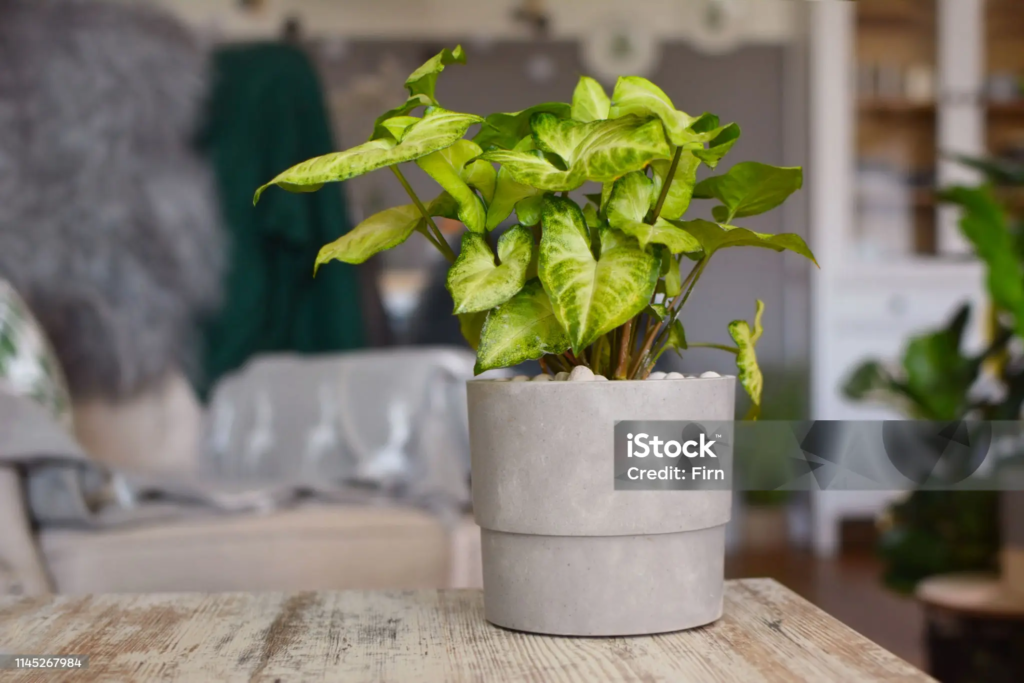
General arrowhead plant maintenance tips involve more than just cutting. It’s about observation.
- Rotate the pot: I rotate mine 90 degrees every week so it doesn’t lean and require more arrowhead plant cutting back on one side.
- Clean the leaves: Dust blocks sunlight. A quick wipe-down helps the plant recover faster after pruning.
Don’t Waste the Cuttings!
One of the most rewarding arrowhead plant pruning tips is that every “trash” piece can become a new plant. If your cutting has at least one node and a leaf, stick it in a jar of clean water. In 3 weeks, you’ll have roots. I’ve gifted dozens of these “clones” to friends over the years. It’s a great way to turn Syngonium podophyllum pruning into a sustainable hobby.
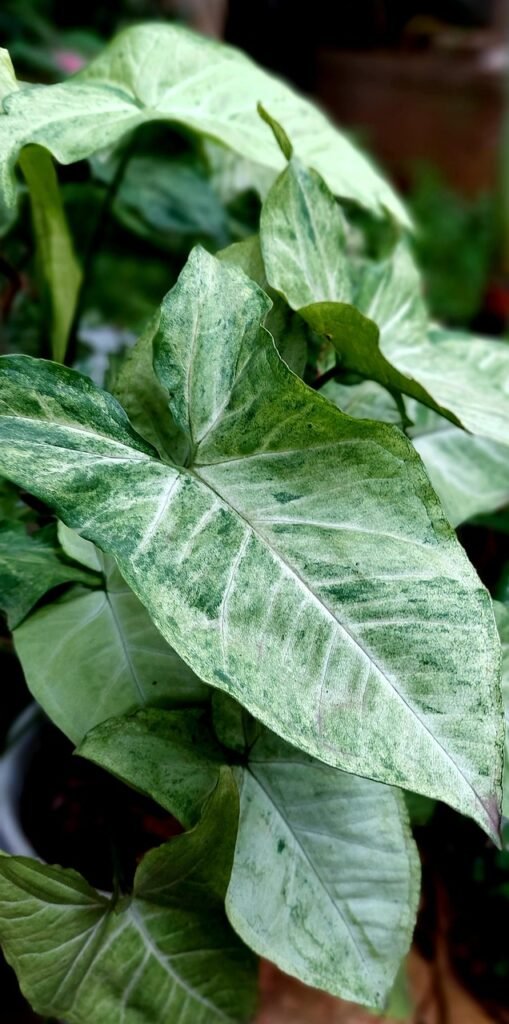
Summary of Best Practices
| Action | Professional Recommendation |
|---|---|
| Tool Choice | Sterilized micro-tip snips |
| Cut Location | 1/4 inch above a node |
| Max Removal | No more than 25% of foliage |
| Best Season | Spring and Summer |
| Feeding | Half-strength balanced liquid fertilizer |
Export to Sheets
Final Thoughts: The Human Touch
Gardening isn’t a science as much as it is a relationship. Your Arrowhead plant will “talk” to you. If the leaves are getting smaller, it might be too far from a window. If the stems are stretching, it’s begging for a trim. Don’t view pruning as a chore—view it as a way to refresh and renew your green companion. My best successes have come from being brave enough to snip and patient enough to watch the magic happen.
Frequently Asked Questions
Can I prune my Arrowhead plant in the winter?
You can, but it’s not ideal. The plant is dormant and heals slowly. If you must prune for space, keep the cuts minimal and avoid fertilizing until spring.
Why is my Arrowhead plant still leggy after pruning?
Usually, this is a light issue. If the plant isn’t getting enough bright, indirect light, it will continue to “stretch” toward the nearest light source, regardless of how much you prune it.
How do I make my Arrowhead plant more bushy?
The key is consistent arrowhead plant trimming of the leading vines. By snipping the tips, you force growth to the base. Also, ensure it has enough light to support dense foliage.
Is the sap of the Arrowhead plant toxic?
Yes, it contains calcium oxalate crystals. It can cause skin irritation or stomach upset if ingested by pets or humans. Always wash your hands after arrowhead vine pruning.
Where can I find more information on plant types?
You can always look up specific varieties like “Pink Allusion” or “White Butterfly” by using a Google Search to see if your specific cultivar has unique needs.
For more help with your indoor garden, you can find expert discussions and troubleshooting by searching for indoor plant care communities or looking up best indoor plant fertilizers 2026.