Quick Answer
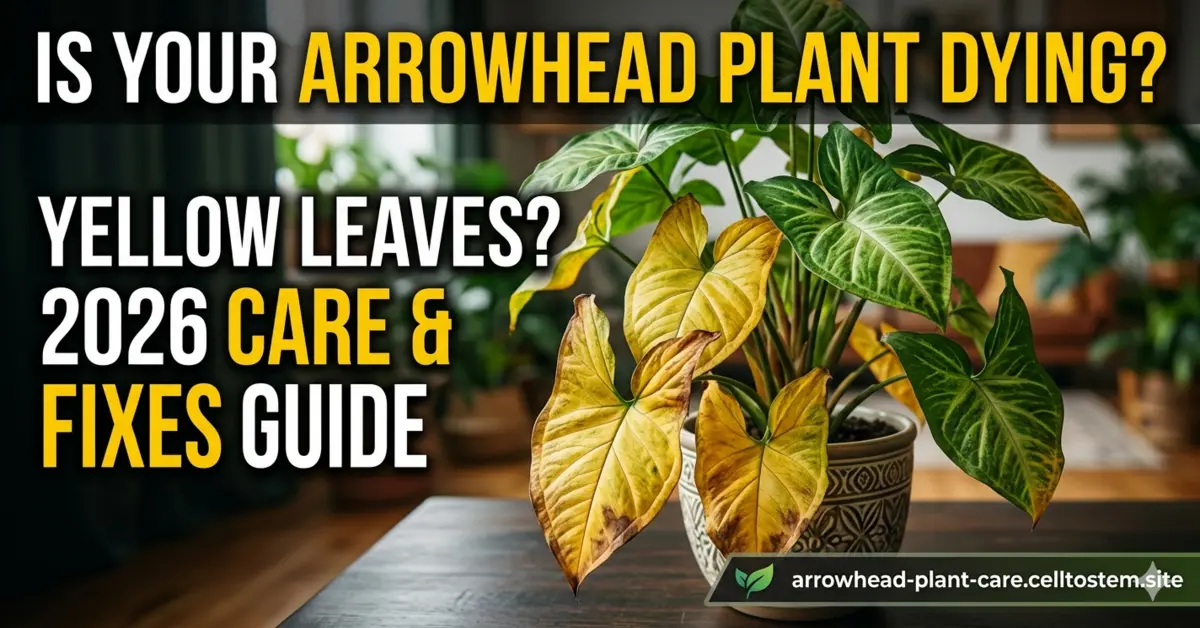
The most common reason for an arrowhead plant turning yellow leaves is improper soil moisture—specifically overwatering or poor drainage leading to root stress. To fix it, allow the top inch of soil to dry out before watering, ensure your pot has drainage holes, and provide bright, indirect light. Yellowing can also signal nutrient deficiencies or natural aging of older, lower leaves.
My Journey with the “Heartbreak” Vine
I still remember the first Syngonium podophyllum I ever owned. It was a lush, vibrant ‘Neon Robusta’ with pinkish-green leaves that looked like they belonged in a fairy tale. Two weeks later, I was staring at a sickly, pale yellow mess. Like many indoor gardeners, I panicked. I added more water (big mistake), then I moved it to a dark corner (even bigger mistake), and finally, I drenched it in fertilizer.
That plant didn’t survive, but the three dozen arrowhead plants I’ve grown since then are thriving. I’ve learned that an arrowhead plant turning yellow leaves isn’t a death sentence—it’s the plant’s way of sending you a text message. It’s saying, “Hey, something in my environment is off.”
In this guide, I’m going to skip the textbook fluff and tell you exactly what I’ve seen work in my own home and in the professional plant consultations I’ve done over the last few years.
The “Big Three”: Why Yellow Happens
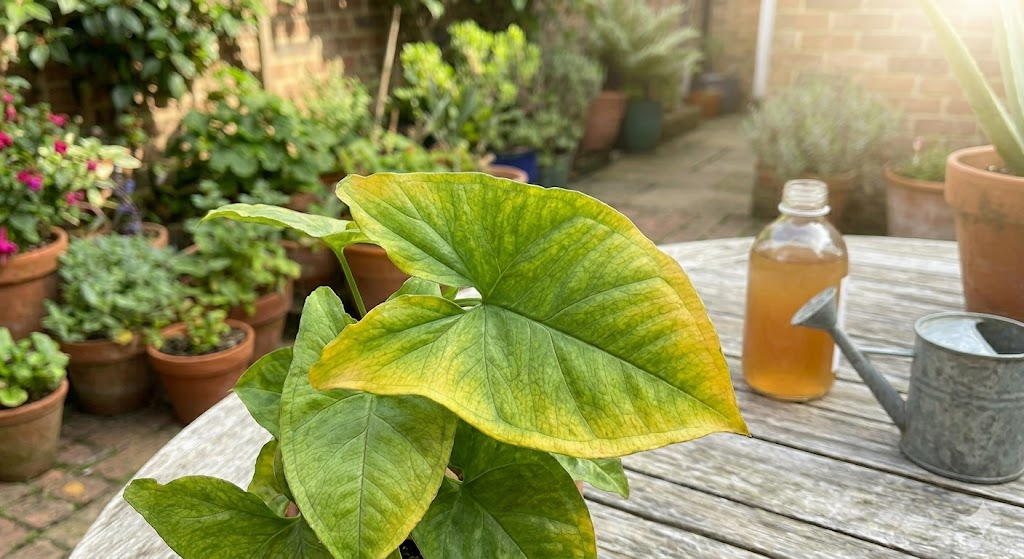
When you see arrowhead vine leaf discoloration, your mind probably jumps to a hundred different causes. In my experience, 90% of cases fall into three categories: Water, Light, and “The Circle of Life.”
1. The Overwatering Trap
This is the “silent killer.” Most people think plants need a drink every time they walk by. When the soil stays soggy, the roots literally suffocate. They can’t take up oxygen, they begin to rot, and the first sign is yellowing foliage arrowhead.
My Lesson Learned: I used to water on a schedule (every Monday). Don’t do that. The best watering method for arrowhead plant health is the “Finger Test.” Stick your finger two inches into the soil. If it feels damp, walk away. If it’s dry, give it a soak until water runs out the bottom.
2. The Thirst Signal
On the flip side, underwatering causes a different kind of yellow. These leaves usually feel crispy or papery. If the plant wilts and then the leaves turn yellow and drop, you’re waiting too long between drinks.
3. Natural Aging
If only one or two leaves at the very bottom of the stem are turning yellow while the top is growing new, green leaves, relax. This is just houseplant leaf chlorosis due to age. The plant is shedding old “batteries” to put energy into new growth. I usually just snip these off with clean scissors.
Lighting: Finding the “Goldilocks” Zone
I once placed an arrowhead plant right in a south-facing window in mid-July. Within three days, it had arrowhead plant light burn. The leaves turned a bleached, ghostly yellow-white.
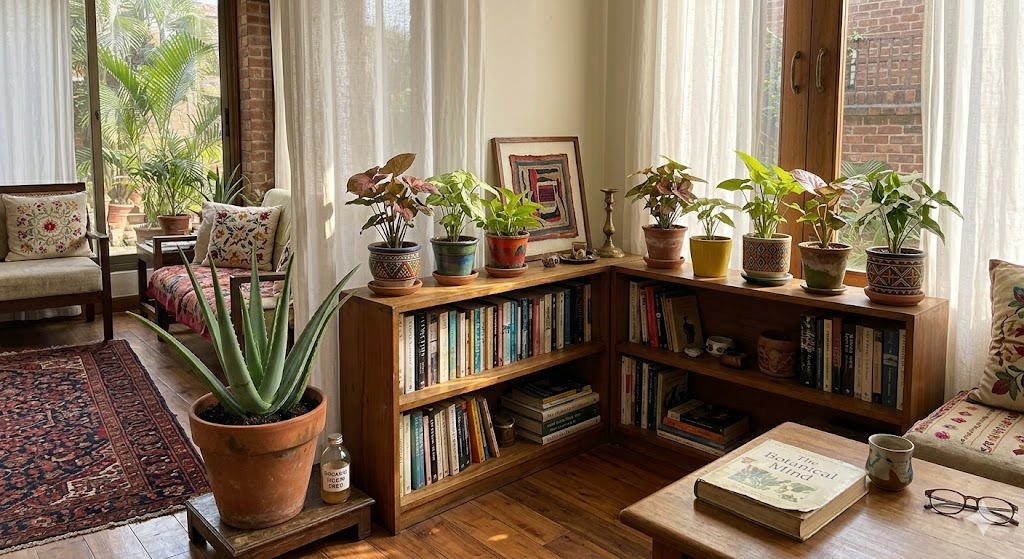
The best light for arrowhead plant indoors is bright, indirect light. Think of the light in a forest—dappled and soft. If you can see your shadow clearly on the wall behind the plant, but the sun isn’t hitting the leaves directly, you’ve found the sweet spot. Too little light will also cause yellowing because the plant can’t produce enough chlorophyll to stay green.
The Secret is in the Soil (and the Pot)
If you’ve checked your water and light and you still see an arrowhead plant turning yellow leaves, look down. The dirt matters more than you think.
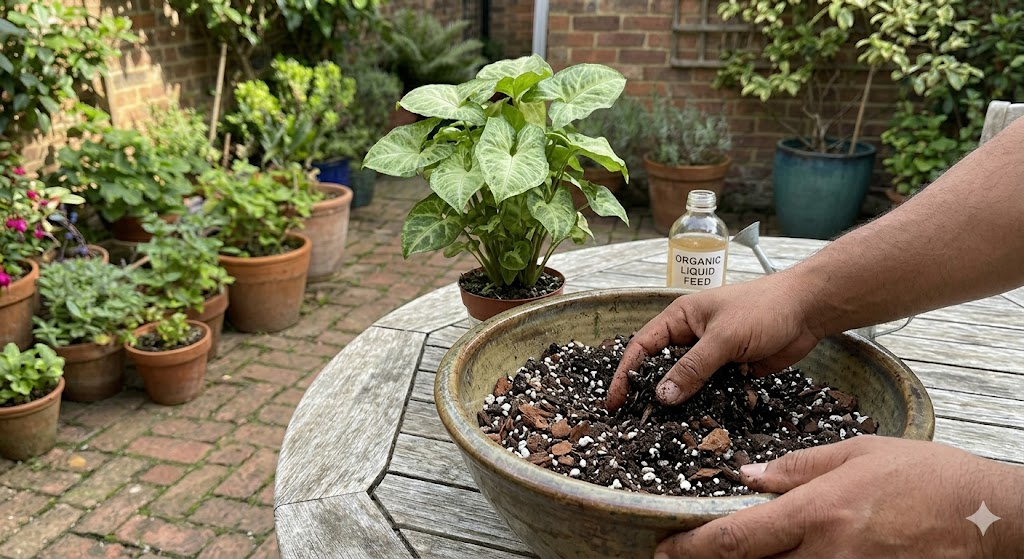
I’ve found that the best soil for arrowhead plant to prevent yellow leaves is a chunky, well-draining mix. I usually mix:
- 60% high-quality potting soil
- 20% perlite (for aeration)
- 20% orchid bark (to keep it “fluffy”)
Standard potting soil often compacts over time, squeezing the life out of the roots. This leads to arrowhead plant watering issues even if you aren’t watering that much, because the water just sits there like a swamp.
Pair this soil with the best pot for arrowhead plant drainage. I always recommend terracotta for beginners because it “breathes” and helps wick away excess moisture. If you use plastic or ceramic, make sure there are at least two or three large drainage holes at the bottom.
Nutrition and “The Burn”
We all want our plants to grow fast, so the temptation to over-fertilize is real. However, arrowhead plant nutrient burn is a common cause of yellow tips and edges.
The best fertilizer for arrowhead plant yellow leaves (or rather, to prevent them) is a balanced, liquid seaweed or organic 10-10-10 fertilizer diluted to half-strength. I only feed mine during the growing season (spring and summer). If you see yellowing right after you fertilize, flush the soil with plain water to wash out excess salts.
Humidity: The Invisible Factor
Coming from a tropical background, these plants hate dry, indoor air—especially in winter when the heater is screaming. Low humidity leads to Syngonium podophyllum yellow leaves that often have brown, crunchy edges.
The best humidity level for arrowhead plant success is between 50% and 60%. I don’t suggest misting; it doesn’t do much and can actually encourage fungal spots. Instead, use a small humidifier nearby or a pebble tray. I’ve noticed my arrowhead plants grew 20% faster once I moved them into my bathroom, where the shower steam keeps the air “heavy.”
Uninvited Guests: Pests
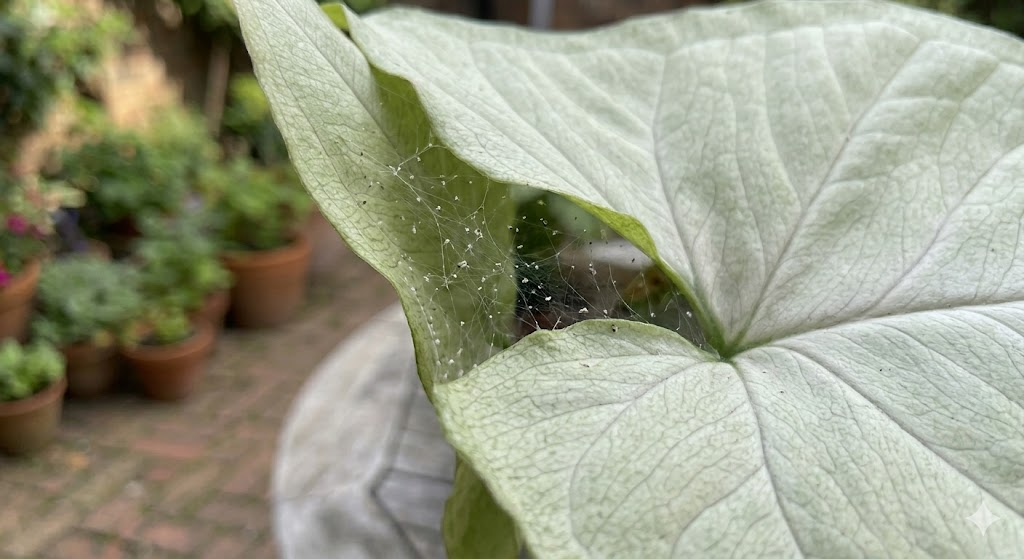
Sometimes, the yellowing isn’t your fault—it’s an invasion. Spider mites and thrips love the soft leaves of an arrowhead vine.
- Spider Mites: Look for tiny webs and yellow stippling (little dots) on the leaves.
- Thrips: Look for silver streaks or tiny black specks of “poop.”
The best pest control for arrowhead plant owners is a two-pronged attack: a sharp spray of water in the shower to knock them off, followed by a thorough coating of Neem oil or insecticidal soap once a week for a month.
Professional Troubleshooting: A Quick Checklist
If you’re staring at your plant right now and feeling overwhelmed, follow my “Doctor’s Rounds” checklist:
- Check the Texture: Is the yellow leaf mushy? (Overwatered). Is it crispy? (Underwatered/Dry air).
- Check the Pattern: Is it just the tips? (Fertilizer burn or tap water chemicals). Is the whole leaf turning pale? (Lack of light or nutrients).
- Check the Underside: Do you see crawling bugs? (Pests).
- Check the Roots: Gently pull the plant out of the pot. Are the roots white and firm? (Healthy). Are they brown and smelly? (Root rot).
Best Arrowhead Plant Variety for Beginners
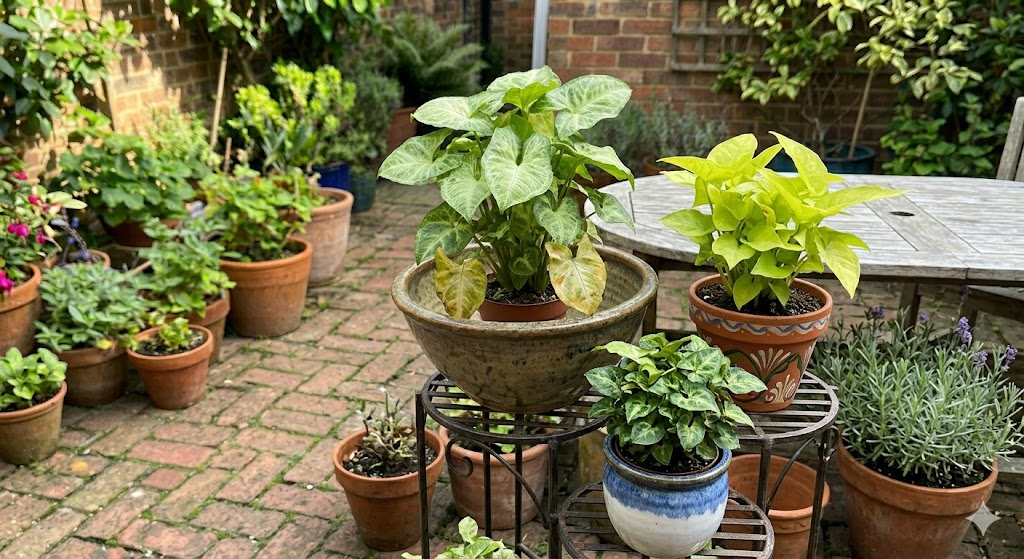
If you’ve struggled with yellowing in the past, I always suggest starting with the ‘White Butterfly’. It is incredibly resilient. Unlike some of the high-pink or variegated “Albo” types that are finicky about light, the White Butterfly can handle a bit of neglect and bounces back quickly once you fix your routine.
Final Thoughts from the Greenhouse
Growing plants is a conversation. When you see an arrowhead plant turning yellow leaves, don’t get discouraged. It took me killing three of these beauties to finally “hear” what they were saying.
Most of the time, the fix is as simple as moving the plant three feet closer to a window or waiting three more days before you grab the watering can. Be patient with yourself and your plant. In the world of indoor gardening, a yellow leaf is just a lesson in disguise.
Keep your hands in the dirt, keep your eyes on the leaves, and remember: even the most expert “green thumb” started with a few yellow leaves and a bit of trial and error.
Key Takeaways for Success
| Issue | Symptom | Immediate Fix |
| Overwatering | Yellow, mushy lower leaves | Repot in fresh, dry soil; check drainage. |
| Underwatering | Yellowing with dry, brown edges | Deep soak in the sink; increase frequency. |
| Low Light | Leggy stems, pale yellow leaves | Move closer to a bright window (no direct sun). |
| Pests | Yellow spots/stippling | Wash leaves with soapy water; use Neem oil. |
| Nutrient Burn | Yellow/Brown leaf tips | Flush soil with distilled water; stop feeding. |
Expert Tip: If your tap water is very “hard” or full of chlorine, let it sit out overnight before watering. This allows some chemicals to dissipate, which can prevent that annoying yellow-tip syndrome that plagues so many indoor Syngoniums. Your plant will thank you!