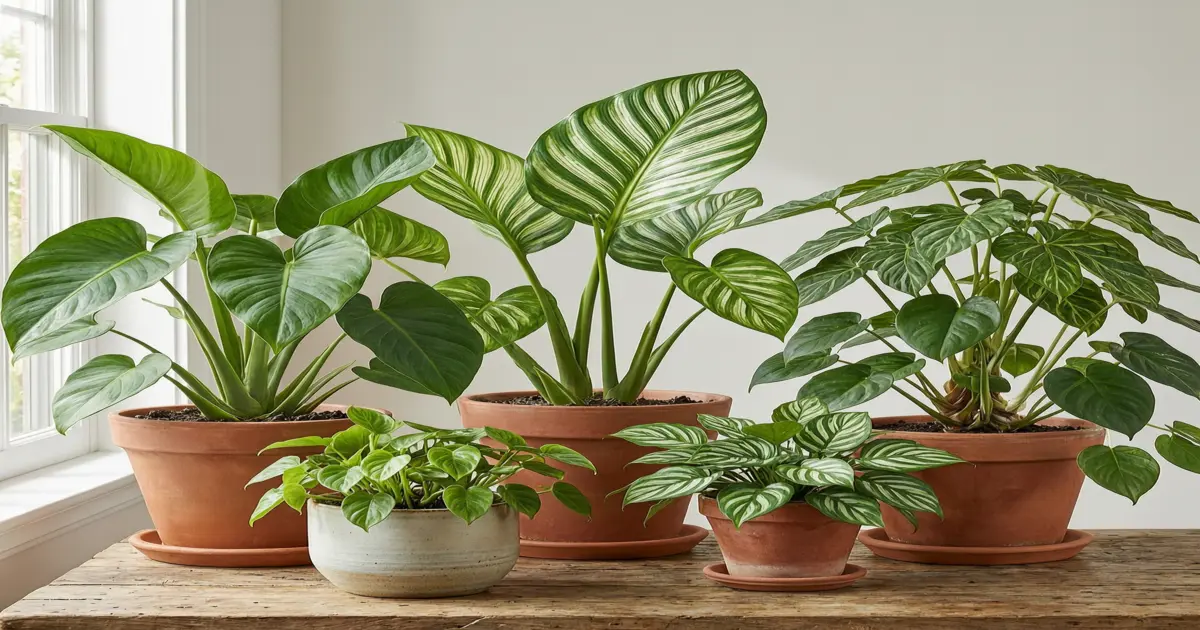

Rooting for You: A Beginner’s Guide to Propagating Your Arrowhead Plant in Water
Ready to turn your beautiful Arrowhead Plant (Syngonium podophyllum) into a houseplant jungle? You’re in the right place! Propagating these versatile plants is surprisingly simple, and watching those tiny roots grow in water is incredibly satisfying. Whether you’re a seasoned plant parent or a complete beginner, this guide will walk you through the entire process, step-by-step. Let’s get growing!
Why Water Propagation is Perfect for Arrowhead Plants
There are a few ways to propagate Arrowhead Plants, but water propagation is often the most popular choice, and for good reason:
- It’s Visual: You can actually see the roots growing! This takes the guesswork out of the process.
- It’s Low-Maintenance: You don’t need to worry about soil moisture levels or special propagation mixes.
- It’s Fun! There’s a certain magic to watching a simple stem cutting transform into a whole new plant.
Gathering Your Supplies: What You’ll Need
Before you start snipping, let’s get everything you need ready. The good news is, you likely have most of these items already:
- A healthy Arrowhead Plant: Choose a plant with vigorous growth and green, vibrant leaves.
- Sharp, clean scissors or shears: Dull tools can crush the stem, and dirty tools can introduce bacteria. Sterilize them with rubbing alcohol first.
- A clean glass container: This is key. Using a clear container allows you to monitor root growth. A simple jar, vase, or even a drinking glass will work perfectly.
- Water: Room temperature water is best.
- A sunny spot (indirect light): More on this later!
Step 1: Taking the Perfect Cutting
This is the most crucial step! To successfully propagate your Arrowhead Plant in water, you need to make sure your cutting has a node. A node is the small bump on the stem where leaves, roots, and branches emerge. This is where the new roots will grow from.
- Identify the nodes: Look closely at the stem of your Arrowhead Plant. You’ll see the leaves attached to the stem at these small, raised points.
- Choose a healthy stem: Select a healthy, actively growing stem with several leaves and nodes.
- Make the cut: Using your clean, sharp scissors, cut the stem about 1-2 inches below a node. Your cutting should be at least 4-6 inches long and have at least 2-3 nodes.
- Trim lower leaves: Carefully remove the bottom 1-2 leaves from your cutting. This prevents them from rotting in the water and allows the plant to focus its energy on root production.

Photo Credit: [arrowhead-tips.blogspot] – Taking a clean cut just below a node.
Step 2: Preparing Your Cuttings and Water
Now that you have your perfect cuttings, it’s time to get them ready for their water adventure.
- Optional: Let the cuttings calluses: Some gardeners prefer to let the cut ends of the stems callus over for a few hours before placing them in water. This may help prevent rot, but it’s not strictly necessary for Arrowhead Plants. If you choose to do this, simply lay the cuttings on a clean paper towel in a shady spot.
- Prepare your water: Fill your clean glass container with room-temperature water. Tap water is generally fine, but if you have a water softener or are concerned about chlorine, you can let the water sit out for 24 hours to allow the chlorine to dissipate.
Step 3: Placing Cuttings in Water and Providing the Right Light
This is where the magic begins!
- Place the cuttings: Gently submerge the cut ends of your stems into the water-filled container. Ensure that at least one node is fully covered by water. If your container is wide, you can use a rubber band to cluster a few cuttings together to keep them upright.
- Find the perfect spot: Place your container in a location that receives bright, indirect sunlight. Direct sunlight can scorch the leaves and cause algae to grow quickly in the water. An east- or west-facing window is often a great choice.
- Be patient: Now comes the waiting game. It will take a few weeks for roots to start appearing.

Photo Credit: [arrowhead-tips.blogspot] – Several Arrowhead Plant cuttings with new white roots showing in a bright window.
Step 4: Maintenance and Care While Rooting
While you’re waiting for those roots to grow, your main job is to keep the water fresh and the cuttings happy.
- Change the water regularly: Change the water in your container every 5-7 days, or more often if it starts to look cloudy or green (which indicates algae growth). Fresh water provides essential oxygen to the developing roots.
- Monitor for rot: Keep an eye on the submerged stems. If you notice any mushy or blackened areas, remove the cutting from the water immediately. Trim away the rotted part with clean shears and place it back in fresh water.
- Top up the water: As the cuttings absorb water and it evaporates, make sure the nodes remain submerged.
Step 5: Transitioning to Soil (Potting Up)
Once your cuttings have developed a healthy root system (the roots should be at least 1-2 inches long and have secondary roots branching off them), they are ready to be potted up in soil.
- Choose the right pot: Select a small pot with drainage holes. A pot that is too large can hold too much moisture and increase the risk of root rot.
- Prepare the potting mix: Use a well-draining potting mix, like one formulated for houseplants or a mix of peat moss, perlite, and pine bark.
- Pot the cutting: Gently remove the rooted cutting from the water. Place a small amount of potting mix in the bottom of the new pot. Position the cutting in the center and carefully fill in around the roots with the potting mix. Don’t pack the soil too tightly.
- Water and care: Water the newly potted plant thoroughly until water drains from the bottom. Place it back in bright, indirect light. Maintain slightly higher humidity for the first few weeks to help the plant acclimate to its new environment.

Photo Credit: [arrowhead-tips.blogspot] – A hand carefully positioning a well-rooted cutting into a small terracotta pot with fresh soil.
Expert Tips for Success with Arrowhead Plant Water Propagation
To give your cuttings the best possible start, keep these tips in mind:
- Best Time of Year to Propagate Arrowhead Plant: Propagation is most successful when the plant is actively growing, which is typically during the spring and summer months. Cuttings taken during fall or winter may take significantly longer to root.
- Best Water for Arrowhead Plant Propagation: While tap water is often sufficient, using filtered water or rainwater can be beneficial, especially if your tap water is very hard or contains high levels of chlorine or chloramine.
- Best Light for Arrowhead Plant Propagation: As mentioned before, bright, indirect sunlight is ideal. Too little light will slow down root growth, and too much direct sunlight can cause stress and algae problems.
- Best Container for Arrowhead Plant Water Propagation: Clear glass containers are the best choice because they allow you to monitor root growth and water clarity easily. Smaller containers that can keep the cuttings upright are preferred.
- Best Arrowhead Plant Cutting Size for Propagation: Aim for cuttings that are 4-6 inches long and have at least 2-3 leaves and at least 1-2 submerged nodes. Smaller cuttings may struggle, and much larger cuttings can be difficult to manage in water.
- Best Arrowhead Plant Varieties for Propagation: Most common varieties, like ‘White Butterfly’, ‘Pixie’, and ‘Neon’, propagate well in water. Variegated varieties like ‘Albo-Variegata’ can be particularly rewarding to propagate, as new plants often display the stunning variegation of the parent plant.
- Listen to your plant: Pay attention to how your cuttings are responding. If the leaves start to wilt or turn yellow, it may be receiving too much light or the water needs to be changed more frequently.

Photo Credit: [arrowhead-tips.blogspot] – Three glass bottles showing three stages of Arrowhead Plant root development in water: just starting, established roots, and ready to be potted.
Troubleshooting Common Propagation Issues
- Roots are turning brown and mushy: This is a clear sign of root rot. It’s usually caused by bacteria in the water or leaving the cutting in the same water for too long. Immediately remove the cutting, trim away all rotted parts, wash the container thoroughly, and place the remaining healthy cutting in fresh water.
- No roots are appearing after several weeks: This can be frustrating, but don’t give up! Check that the water level is covering a node. Ensure the cutting is receiving enough indirect light. If it’s winter, it may just take longer. You can also try taking a fresh cutting from a different part of the plant.
- Algae is growing in the water: This is very common, especially if the container is in a very bright spot. While a little algae won’t hurt the cutting, excessive algae can compete for oxygen. To reduce algae, clean the container more frequently and ensure it’s not in direct sunlight. You can also use a dark container to block light from the water, but then you lose the benefit of seeing the roots.
- The leaves are turning yellow or brown: This could be a sign of stress, too much direct sunlight, or a nutrient deficiency. Ensure the cutting is in a suitable location with bright, indirect light. Since water doesn’t contain nutrients, the cutting is relying on its stored energy. If the problem persists, it may be time to transition the cutting to soil.
Your New Arrowhead Jungle Awaits!
Propagating your Arrowhead Plant in water is an easy, rewarding, and cost-effective way to expand your plant collection. By following these simple steps and tips, you’ll be well on your way to creating a lush indoor jungle. So, go ahead and take that first snip – your future plants will thank you!
Thank You For Visiting Our Website https://arrowhead-plant-care.celltostem.site/. We Value Your Feedback!