
Quick Answer:
To care for an Arrowhead Plant indoors, provide bright, indirect light (though it tolerates low light) and keep the soil consistently moist but never soggy, watering when the top inch of soil is dry. Use well-draining soil and a pot with drainage holes. Maintain warmth (60-80°F) and average to high humidity. These fast growers benefit from occasional pruning to stay bushy and appreciate support if you want them to climb.
How to Care for Arrowhead Plant Indoors: The Complete Guide
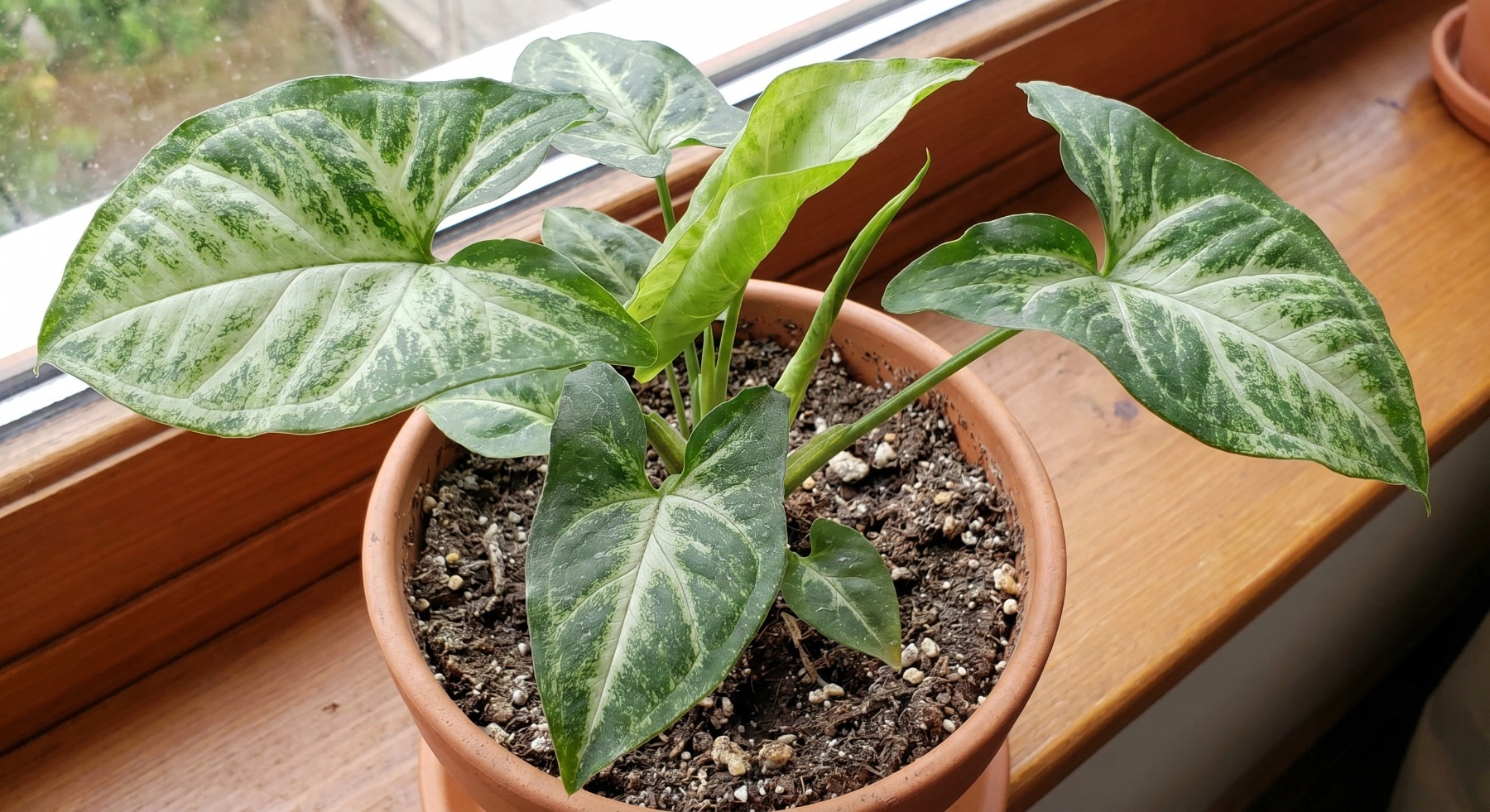
The Arrowhead Plant (Syngonium podophyllum) is a true favorite for indoor gardeners. It’s beloved for its beautiful, arrow-shaped leaves and its forgiving nature. Whether you have the classic green, a pink splash, or a striking variegated type, understanding how to care for arrowhead plant indoors is the key to a happy, long-lived plant.
This plant is also known as the Arrowhead Vine, African Evergreen, Nephthytis, Goosefoot Plant, or Five Fingers Plant. While they start out compact, they naturally love to climb or trail. This guide will provide you with all the details you need for successful arrowhead vine houseplant maintenance, straight from years of experience growing these beauties.
Finding the Best Spot: Light Requirements
The first step in syngonium podophyllum indoor care is getting the light right. This plant is versatile, but its leaves will tell you what it likes best.
The Ideal: Bright, Indirect Light
Most Arrowhead Plants thrive in bright, indirect sunlight. Think of the light filtering through a sheer curtain. This light is strong enough for the plant to grow quickly but won’t burn the leaves. Variegated Arrowhead Plants, in particular, need this bright light to keep their unique coloring. If they don’t get enough, the new leaves might come out plain green.
Handling Low Light
Are you looking for the best arrowhead plant for low light? Varieties like the ‘Pixie’ or ‘Emerald Gem’ (solid dark green) tolerate lower light conditions better than their colorful relatives. They will grow more slowly, but they can survive. However, for a healthy plant with that iconic leaf shape, some bright light is best. Avoid placing your plant in direct, scorching sun, as this will quickly bleach the leaves.
The Best Location in Your Home
So, what is the best location for arrowhead plant in home? A spot about 3-5 feet from an east or north-facing window is usually perfect. If you put it near a south or west-facing window, just ensure it’s not in the path of direct sunbeams. These plants also work well in offices with fluorescent lighting, which makes them great best arrowhead plant for low light options!

Watering Your Arrowhead Plant: The Goldilocks Balance
Getting the watering right is probably the most crucial part of African evergreen plant care guide. These plants do not like to dry out completely, but they also cannot stand sitting in water, which quickly leads to root rot. Think of it as finding the “Goldilocks” balance: consistently moist.
How to Tell When it Needs Water
The best way to know when to water is to check the soil. Water your Arrowhead Plant when the top inch of soil feels dry to the touch. Stick your finger in the soil to check.
Important Nephthytis Plant Watering Tips
- Avoid Overwatering: This is the quickest way to kill your plant. Signs of overwatering are yellowing leaves and a “mushy” stem.
- Avoid Underwatering: If the leaves get droopy, soft, and start to curl, your plant is likely underwatered.
- Water Quality: Arrowhead Plants are relatively tolerant, but using filtered water or rainwater can prevent mineral buildup. If using tap water, letting it sit out for 24 hours can help some chemicals dissipate.
- Winter Rest: During the winter months, your plant isn’t growing much. You should water it less frequently, letting more of the soil dry out between waterings.
Having the right equipment helps. The best watering can for arrowhead plant is one with a long, thin spout. This allows you to water the soil directly without getting water all over the leaves, which can sometimes encourage fungal issues.

Soil and Potting: The Foundation of Health
When it comes to goosefoot plant light requirements and watering, the foundation is the soil and pot. If your soil doesn’t drain well, your plant will suffer, no matter how carefully you water.
Choosing the Best Soil
What is the best soil for arrowhead plant in pots? These plants need soil that can hold some moisture but allows excess water to escape quickly. You can create a great mix by using two parts regular houseplant potting soil and one part perlite (for air and drainage) or orchid bark. You can also add some coco coir for moisture retention. Avoid heavy garden soils or mixes designed only for cacti.
Selecting the Right Pot
The pot is equally important. Ensure your container has at least one large drainage hole. This is non-negotiable! Without drainage, root rot is almost guaranteed. The best pots for arrowhead plant drainage are classic terracotta or ceramic pots. Teracotta is porous, which helps the soil dry out more evenly and prevents water from pooling. When repotting, choose a new pot that is only one size (1-2 inches) larger than the current one.
Temperature and Humidity Needs
Creating the right climate is key. As a tropical plant, the Arrowhead Plant loves warmth and moisture.
Warmth (Temperature)
Keep your Arrowhead Plant in a room where the temperature stays between 60°F and 80°F. Avoid sudden changes. Keep it away from cold, drafty windows or doors, and away from heat vents or air conditioners, as these can dry out the plant.
Moisture (Humidity)
The ideal environment would have the best humidity level for arrowhead plant, which is average to high (40% to 60%). Most homes are drier than this, especially in winter. You can increase humidity for your plant in a few ways:
- Misting: Give the leaves a light misting daily or every other day.
- Pebble Tray: Place the pot on a tray filled with pebbles and water (just make sure the pot sits above the water level).
- Grouping: Group several plants together. Plants naturally release moisture, creating a micro-climate.
- Humidifier: For the ultimate care, especially for a variegated arrowhead plant care collection, a small room humidifier works wonders.

Advanced Care: Fertilizing, Pruning, and Repotting
Once your Arrowhead Plant is settled and happy, you will need to keep up with its growth.
Feeding Your Plant
Use the best fertilizer for arrowhead plant growth, which is a balanced, all-purpose liquid houseplant fertilizer. Apply it diluted to half-strength. Fertilize your plant every 4-6 weeks during the active growing season (spring and summer). Do not fertilize at all during the fall and winter when growth naturally slows down.
Shape and Pruning Methods
Arrowhead Plants are fast growers and can become “leggy” (long stems with few leaves) as they age. This is where five fingers plant pruning methods come in. To encourage a bushier look, simply pinch off or cut the growing tips of the stems. If a stem gets too long, you can prune it back.
The best time to prune is spring. Use the best pruning shears for arrowhead plant, which are sharp, sterilized scissors or snips. Sterilizing your blades (with rubbing alcohol) prevents the spread of disease. Any stems you cut can often be propagated!
Supporting a Climbing Plant
If you want your plant to climb, provide a climbing arrowhead plant support. A moss pole, bamboo stake, or a small trellis works well. Gently tie the stems to the support, and the plant will start to grow up.
When to Repot
Knowing the best time to repot arrowhead plant is key. Repot your plant when you see roots growing out of the drainage holes or when it becomes “root-bound” (the roots fill the entire pot, pushing soil aside). The best time is early spring. Avoid repotting in winter unless it is an emergency (like treating severe root rot).
Arrowhead Plant Toxicity and Air Purification
Before you welcome an Arrowhead Plant into your home, it’s vital to know about arrowhead plant toxicity information. All parts of this plant contain calcium oxalate crystals, which are toxic if ingested by pets (cats, dogs, rabbits) or humans. Eating it can cause severe mouth irritation, swelling, drooling, and difficulty swallowing. Always keep this plant well out of reach of curious pets and children.
However, there is a benefit too. This plant is known for its arrowhead plant air purification benefits. NASA research has shown that Syngoniums can help remove indoor air pollutants like formaldehyde from your home. So while it needs careful handling, it is actively working to make your air cleaner!

Arrowhead Plant Common Problems and Solutions
- Yellow Leaves: Usually overwatering (too much moisture at the roots) or underwatering (droopy leaves). Check the soil. It can also be a sign of a nutrient deficiency, in which case fertilizing (lightly!) might help.
- Dry, Brown Tips: This is almost always low humidity or dry soil. Increase humidity (use a pebble tray or humidifier) and check your watering schedule.
- Loss of Variegation: If your colourful leaves turn solid green, it needs more light. Move it to a best location for arrowhead plant in home with more indirect sunlight.
- Leggy Growth: This is a sign of too little light. Prune your plant to encourage branching and move it to a brighter spot.
- Droopy Leaves: This is a classic sign of underwatering. Water it well, and it should bounce back within a few hours.
Companion Plants for Arrowhead Plant
Are you looking for a great best companion plants for arrowhead plant collection? These plants love the same tropical conditions (bright light, high humidity). Great choices include Pothos (Epipremnum aureum), Heartleaf Philodendron (Philodendron hederaceum), Spider Plants (Chlorophytum comosum), and even Boston Ferns (Nephrolepis exaltata). Placing them together not only creates a beautiful display but also helps naturally increase the surrounding humidity.
Final Summary: Enjoy Your Indoor Arrowhead Plant!
By following this guide, you should have all the confidence you need for successful arrowhead vine houseplant maintenance. Remember: bright, indirect light, consistent moisture without waterlogging, well-draining soil, and warmth. These fast-growing, adaptable, and beautiful plants are a joy to care for, whether you want them bushy and compact or lush and climbing. Keep your Arrowhead Plant happy, and it will reward you with years of beautiful greenery.
Thank You For Visiting Our Website https://arrowhead-plant-care.celltostem.site/. We Value Your Feedback!